
Trade with the Human World
Animal FarmTraces the farm's gradual engagement with human commerce, from isolation to dependence on a broker, and the moral compromises that follow.
increasing Bearing strength in each event
 decreasing
Bearing strength in each eventdecreasingInitial Isolation
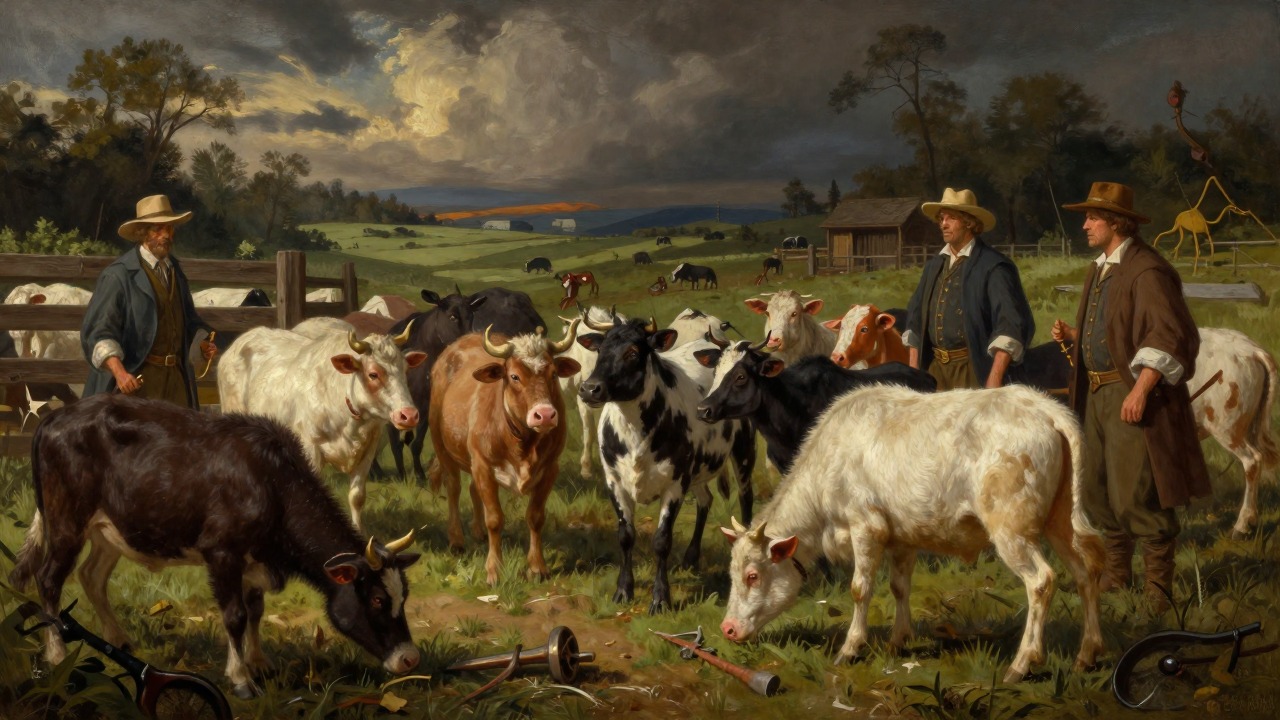
After the Rebellion, the animals resolve never to have dealings with humans. They destroy all human tools and declare the farm a self-sufficient republic. The neighbouring farmers, Pilkington and Frederick, spread hostile rumours, but the animals maintain their independence. The principle of no trade is a cornerstone of Animalism.
The Need for Supplies
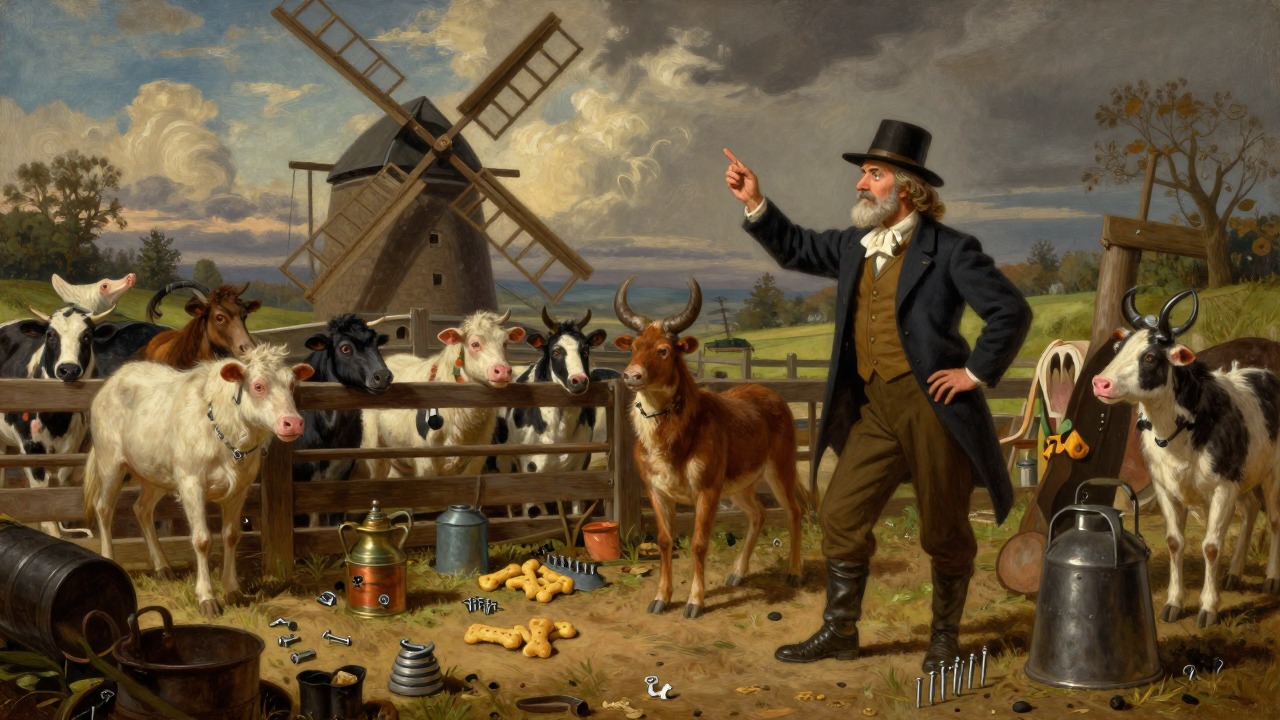
The farm faces shortages of paraffin, nails, dog biscuits, and iron. The windmill project requires materials that cannot be produced on the farm. Napoleon announces that trade is necessary, ignoring the earlier resolution. Mr. Whymper, a solicitor, is hired as an intermediary. The animals feel uneasy but are persuaded by Squealer that no such resolution ever existed.
The Egg Contract
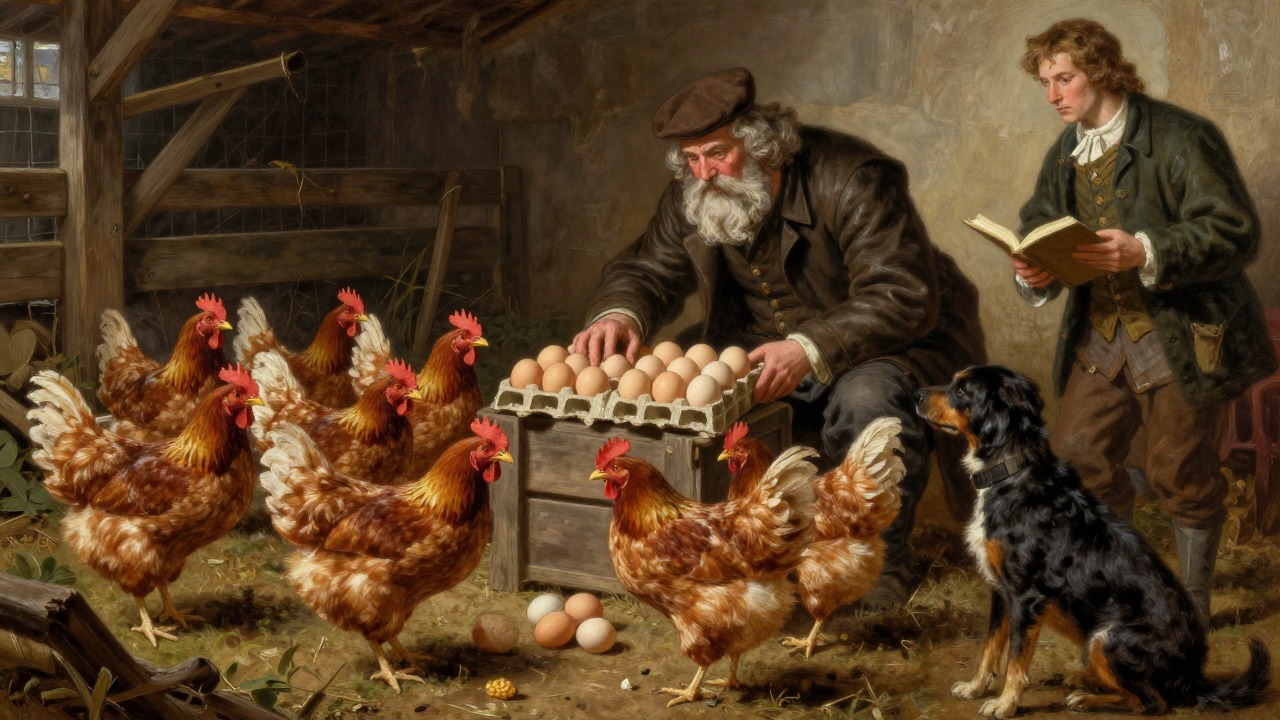
To raise money, Napoleon negotiates a contract to sell four hundred eggs a week. The hens protest, but the rebellion is crushed by the dogs. Nine hens die from starvation, and the eggs are delivered. The trade with humans becomes routine, and the farm's moral boundaries erode. Whymper visits weekly, and the animals grow accustomed to his presence.
The Timber Deal and Betrayal
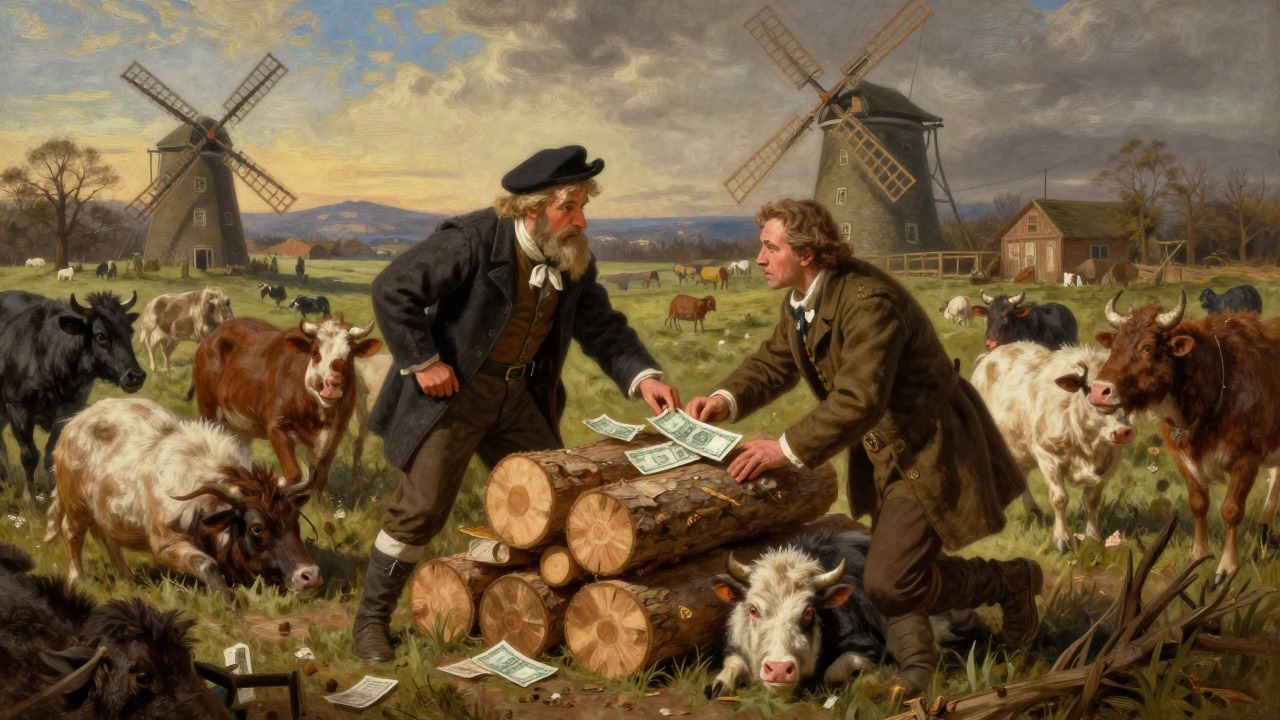
Napoleon negotiates with both Pilkington and Frederick for the sale of a timber pile. He secretly sells to Frederick, who pays with forged banknotes. The fraud is discovered, but the animals are too exhausted to protest. The deal leads to the Battle of the Windmill. The farm's engagement with human trade has brought only deceit and violence.
Normalization of Human Relations
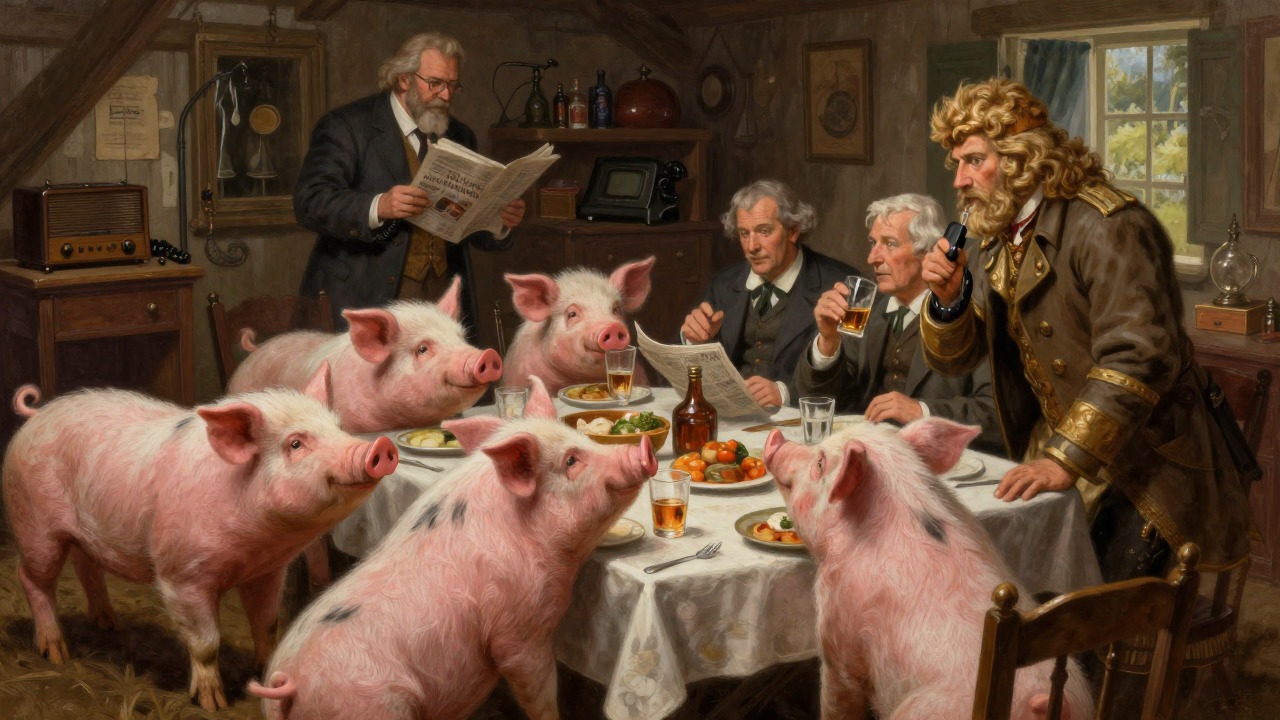
After the battle, the pigs continue to trade, buying whisky and luxuries. The farmhouse is filled with human goods: a wireless, a telephone, newspapers. Finally, Napoleon invites the neighbouring farmers for a dinner, where the pigs and humans drink together. The original prohibition on trade is completely forgotten, and the farm is reintegrated into the human economy.
Node 1
Node 2
Node 3
Node 4
Node 5
